
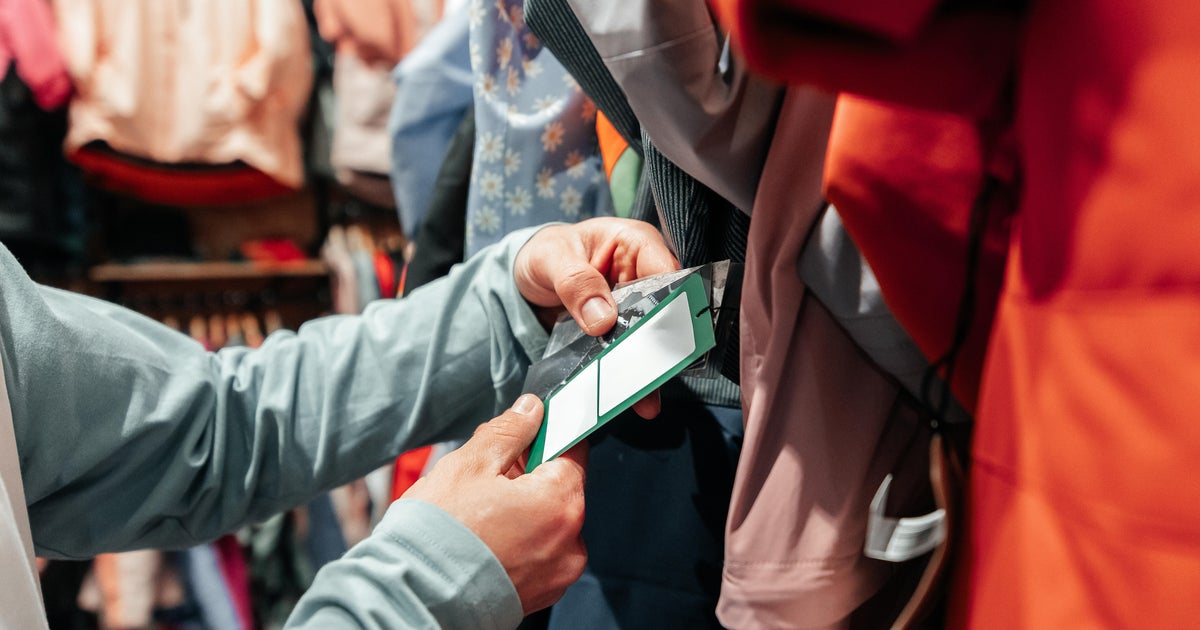
Retailers want to harness the power of artificial intelligence to set personalized prices for shoppers, a consumer protection expert says.
So What?
This matters because the price tag has traditionally been a shared reference point: shoppers can compare the same item and decide whether it is worth the cost. With personalized pricing, a retailer could potentially show different prices to different customers, making comparison harder and trust more important. It is a bit like a taxi fare changing based on who is looking at the app, rather than just the distance traveled. Retailers may use AI to respond quickly to demand or customer behavior, but the article does not specify which data or pricing methods they plan to use. For consumers, the practical issue is whether a personalized offer is a genuine discount or a higher price tailored to their willingness to pay. Investors and policymakers will also be watching whether efficiency gains are outweighed by complaints, reputational damage, or new rules.
📈시장 시그널
The signal is mixed: AI-based pricing could help retailers adjust prices faster, much like a shop changing its display when demand shifts. At the same time, opaque price differences could weaken consumer trust and invite scrutiny from consumer protection authorities. The article describes retailer interest, not a confirmed industry-wide rollout, so the actual market impact is still uncertain.
영향 분석 📊
투자자에게 미치는 영향
Retail investors may see AI pricing as a potential way for companies to manage promotions, inventory, and margins more precisely, but those benefits are not guaranteed. If shoppers view personalized prices as unfair, complaints or negative publicity could hurt a retailer’s brand. Think of it like a store changing its sale signs: better targeting may lift sales, but confusing or inconsistent signs can send customers elsewhere. Over the next 1–3 months, watch for company disclosures, customer reactions, and any indication that retailers are testing these systems; the article itself does not identify a company or a launch date.
✓대응 방안
- •When reviewing retailers, look for concrete evidence of AI-related sales or margin gains rather than treating the idea alone as proof of better performance.
- •Over the next 1–3 months, monitor consumer complaints and company statements about pricing transparency and data use.
- •Treat any individual company or technology example as illustrative, not as a buy or sell recommendation.
영향받는 섹터
근로자에게 미치는 영향
For retail workers, AI pricing could change how stores plan promotions, check competitors, and manage inventory, but the article does not say that jobs will be cut or created. Some routine price-monitoring tasks could become more automated, while staff may need to explain offers or handle customer questions. It is similar to self-checkout: technology can speed up one part of the shopping process, while creating more need for help when something is confusing. Over the coming months, retail employees may benefit from learning basic digital and customer-support skills, especially if their employer begins testing personalized offers.
영향받는 산업군
📈고용 전망
The immediate employment effect is unclear because no rollout or staffing plan is reported. During the 2026 holiday shopping season and the first few months of 2027, watch whether retailers announce pilots or change store procedures. Workers who build skills in digital tools, data handling, and explaining promotions may be better prepared, though this is not a guarantee of new openings.
소비자에게 미치는 영향
The most direct effect could be that two people see different prices for the same product, even when they shop at the same retailer. A price might reflect demand or shopping data, but the article does not explain which factors retailers would use. For example, one shopper could see a discount on a household item while another sees a higher price, making ordinary price comparisons less reliable. Like checking several supermarkets before buying groceries, shoppers may need to compare prices across stores and look at the final checkout total. Whether this brings better deals or less fairness will depend on how clearly retailers explain the pricing.
💰물가/생활비 영향
Prices for everyday products, online promotions, and seasonal items could become more tailored, but there is no confirmed price change or rollout date in the article. A grocery offer or a holiday purchase might look different from one shopper to another; compare the final price across retailers rather than assuming a displayed discount is the best available.
💡소비 관련 조언
Before buying a higher-cost item, compare its price at two or three retailers and check the final total at checkout. Keep screenshots or notes of offers if prices appear inconsistent, and review what shopping or location data an app collects. If a personalized offer is unclear, ask the retailer how it was determined; avoid sharing extra personal data unless you are comfortable with how it may be used.
배경 정보
Retail prices have long changed through sales, seasonal promotions, and demand-based adjustments, but those offers have usually been visible to a broad group of shoppers. AI could make price changes more tailored by processing customer or market data more quickly, although the article does not describe a particular system. The shift resembles moving from one sale sign in a shop window to a different offer on each shopper’s phone. That could make promotions more relevant, but it also makes transparency and data use more important. The source frames this as an emerging possibility, not as a confirmed change across the retail industry.
연관된 최근 이슈
👀주목할 후속 이벤트
From October 15 through the 2026 holiday shopping season, watch for retailer announcements, examples of pricing pilots, and customer responses. In the following 1–3 months, look for clearer information on what data informs prices and whether consumer protection authorities raise concerns. No specific launch or regulatory date is provided, so treat this as an issue to monitor rather than an immediate change.