
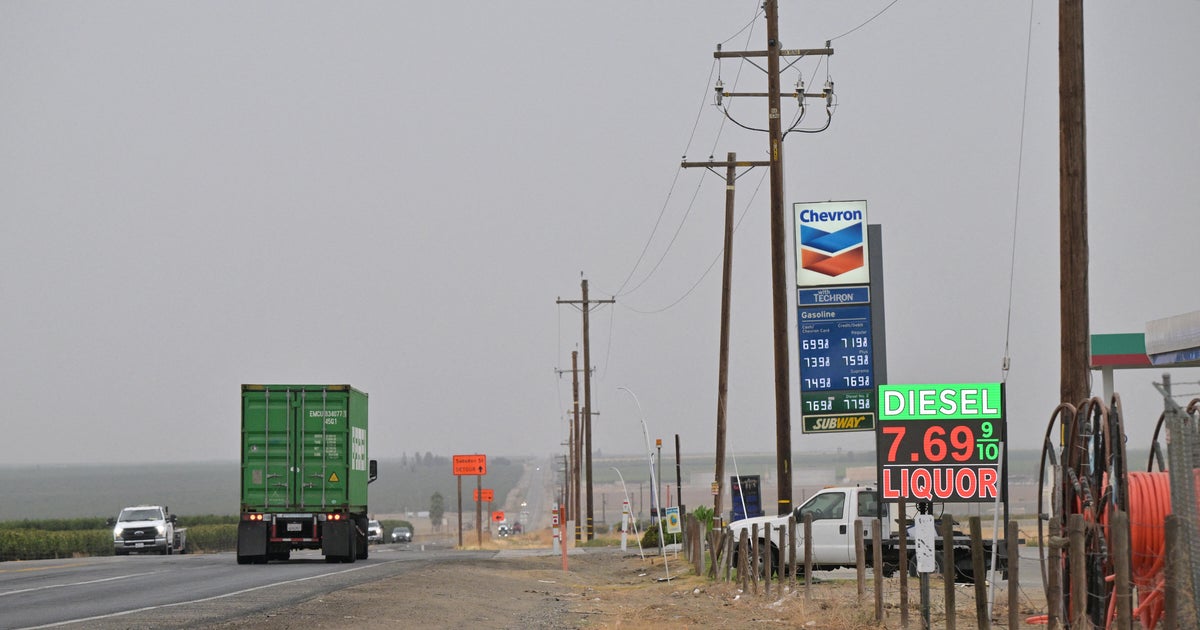
The Trump administration said using the DPA funding will increase refining output and lower fuel prices for Americans. Experts are skeptical.
So What?
Fuel prices matter well beyond the gas station: they affect household budgets, delivery costs, and the price of many goods. The administration’s plan aims to increase refining output using DPA funding, but more support does not automatically mean more fuel is produced or reaches consumers. Think of it like opening another checkout lane at a store: it helps only if there is enough stock behind the counter and the change is passed through to shoppers. Experts’ skepticism highlights uncertainty about how quickly the policy can change supply and pump prices. For now, the announcement is a possible supply-side response, not proof that prices will fall. Drivers and businesses that depend on fuel may want to budget cautiously until production and price data show a clear effect.
📈시장 시그널
The signal is mixed: a successful increase in refining output could ease fuel costs, but experts’ doubts and the lack of a stated target or timeline make the near-term effect uncertain. More supply could lower wholesale fuel prices first, with any change at the pump arriving later and depending on how much of the reduction is passed on. Energy-related shares may react to expectations before consumers see a difference.
영향 분석 📊
투자자에게 미치는 영향
For investors, the announcement may affect expectations for refiners, fuel distributors, and companies with large transportation costs, but the article gives no production goal or funding figure to quantify the effect. If additional output actually reaches the market, fuel-price pressure could ease over the next few months; if it does not, the announcement may have little lasting effect. It is a bit like hearing that a restaurant plans to add tables: the business impact depends on whether customers can actually be served. Consider watching operating updates and fuel-price data rather than treating the announcement alone as a confirmed earnings change.
✓대응 방안
- •Over the next 1–3 months, compare actual refinery-output and fuel-price updates with the administration’s stated aim before drawing conclusions.
- •If you hold energy or transport-related investments, review how much their results depend on fuel prices and avoid making a decision based only on this announcement.
- •Treat any company or fund examples as illustrations, not buy or sell recommendations.
영향받는 섹터
근로자에게 미치는 영향
Workers may feel the effects indirectly through employers’ fuel and delivery costs, rather than through an immediate change to wages or jobs. If fuel costs ease over the next few months, a trucking company or delivery service could face less pressure on its operating budget; if supply does not rise, that relief may not arrive. Think of fuel as one of the recurring bills a business has to pay: a smaller bill can help, but it does not automatically lead to more hiring or higher pay. People in refining and fuel logistics should watch for concrete project or production updates, since none are specified in the report.
영향받는 산업군
📈고용 전망
The article does not provide hiring plans, so there is no basis to expect an immediate employment change. Over the coming months, watch for company announcements about refinery operations, investment, and staffing; a funding announcement by itself is not a job guarantee. If you work in transportation or refining, checking your employer’s actual project plans will be more useful than assuming the policy will quickly change hiring.
소비자에게 미치는 영향
For households, the main possible benefit is lower spending on gasoline and other fuel-related costs, but there is no confirmed price reduction yet. For example, a family that drives to work and school every day would notice savings only if pump prices actually fall and stay lower. Fuel is also part of the cost of moving groceries and delivered goods, so any broader price relief would likely take time and may be uneven. Until there is evidence of higher output and lower retail prices, it is sensible to plan the household budget using current fuel costs rather than counting on a near-term discount.
💰물가/생활비 영향
Gasoline and diesel prices could come under downward pressure if refining output rises, but the article gives no target or timing. Grocery delivery and other transport-related costs may respond more slowly, much like a change in a supplier’s costs takes time to show up on a store receipt.
💡소비 관련 조언
Keep your fuel budget based on current prices for now, and compare local station prices if you have flexibility. If you are planning a major trip or vehicle purchase, avoid assuming the policy will make fuel cheaper soon; review prices again over the next few weeks and months.
배경 정보
The proposal reflects a familiar policy debate: governments can try to ease fuel costs by supporting supply, but increasing refinery output takes more than announcing funding. Refinery operations, available inputs, and the ability to move fuel to consumers all affect the result. Even when supply improves, retail prices may not fall immediately because prices along the chain can adjust at different speeds. Like trying to fill a bathtub, turning on the tap more helps only if the pipes are open and the water reaches the drain; the article does not say which specific production constraints the funding will address.
연관된 최근 이슈
👀주목할 후속 이벤트
Over the next few weeks and months, look for details on the funding amount, production goals, and when any supported output might come online. Compare those updates with refinery-output figures and gasoline and diesel prices as they are published. If output rises but pump prices do not ease, the gap between production and consumer prices will be important to understand.