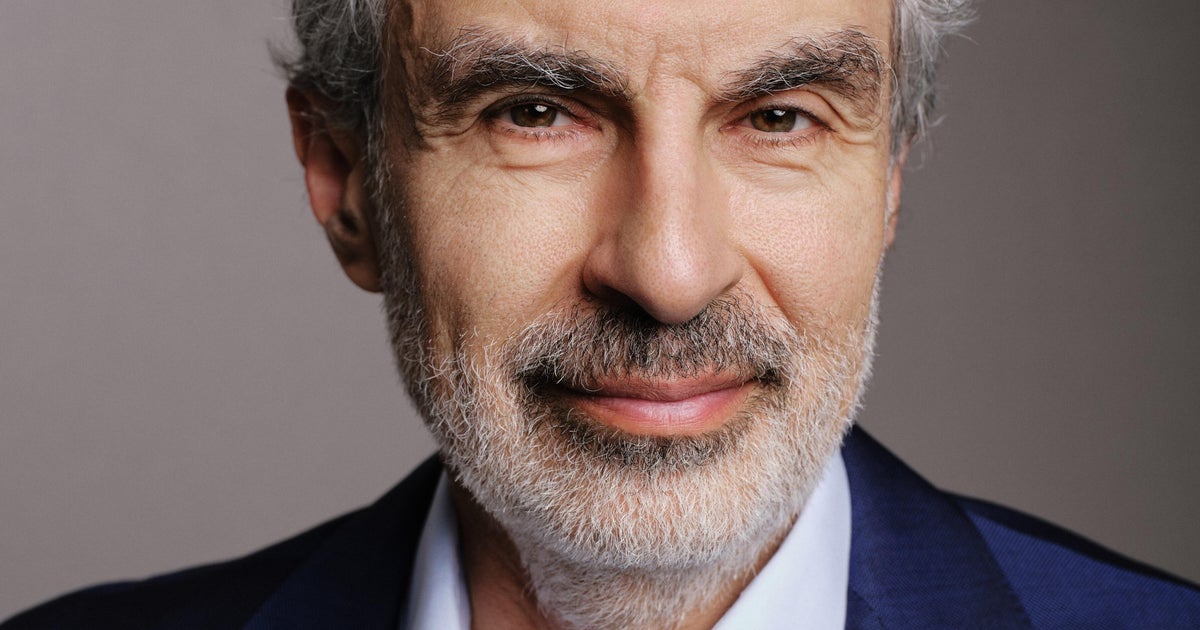
As one of the "godfathers" of artificial intelligence, Yoshua Bengio helped bring generative AI into the world. Now he worries society isn't ready for what's coming.
So What?
The key issue is whether safety measures and public institutions can keep pace with AI development. Bengio’s warning matters because AI can affect many areas, from office work and customer service to education and financial decisions, even though the article does not identify a specific imminent threat. Think of it like driving a faster car while the brakes and road rules are still being tested. For companies, stronger safeguards could mean additional compliance costs, but they may also reduce costly failures and build customer trust. For workers and consumers, the balance between useful automation and risks such as errors or misuse will shape how AI is adopted. This is a cautionary signal, not evidence that a particular company or market is about to face a crisis.
📈시장 시그널
The signal is mixed, with a downside risk for firms that deploy AI without credible safeguards and a potential benefit for businesses offering security, testing, and governance tools. If public concern leads to tighter rules, compliance costs could rise and product rollouts could slow. Like a safety inspection before opening a new shop, stronger checks may delay launch but can also prevent bigger problems later.
영향 분석 📊
투자자에게 미치는 영향
For investors, the article is a reminder to assess AI companies not only by growth and product launches but also by safety practices, oversight, and exposure to future rules. The interview itself does not announce a regulation or change a company’s earnings forecast, so an immediate price impact is uncertain. Over the next 1–3 months, watch for company disclosures, policy proposals, and customer reactions. It is a bit like checking a car’s brakes as well as its speed: strong growth is less reassuring if the risks are poorly managed.
✓대응 방안
- •When reviewing AI-related investments, compare how companies explain testing, data handling, and human oversight.
- •Avoid treating one interview as a buy-or-sell signal; consider diversification and your investment time frame.
- •Over the next 1–3 months, watch for concrete policy proposals or company actions rather than relying on warnings alone.
영향받는 섹터
근로자에게 미치는 영향
Workers may see both opportunities and adjustment costs as AI tools become more capable, but this article does not establish a specific timetable for job losses. In the next 1–3 months, employers’ choices about training, human review, and task automation will matter more than a general warning alone. For example, a customer-service team might use AI to draft replies while employees check accuracy and handle sensitive cases. Learning to verify AI output and use relevant tools could help workers adapt without assuming that every role will change at once.
영향받는 산업군
📈고용 전망
The article offers no new employment data, so it cannot support a precise forecast of hiring or job cuts. Over the next 1–3 months, workers can watch for changes in job descriptions and training offered by their employers. Building skills in AI verification, privacy, and problem-solving may be useful, much like learning to use a new workplace tool while still checking its results.
소비자에게 미치는 영향
Consumers may benefit from faster, more convenient AI services, but the warning draws attention to risks such as inaccurate answers, privacy problems, and misuse. There is no immediate price or service change identified in the article, so the effect on everyday spending is likely indirect for now. For example, an AI assistant can help plan a household budget, but its suggestions still need checking before you make a financial decision. Over the next few months, clearer disclosures and stronger safeguards could influence which services people trust.
💰물가/생활비 영향
The article does not report a direct change in prices for groceries, fuel, or household bills. If companies spend more on safety testing or compliance, some AI services could become more expensive over time, although that is not guaranteed. The more immediate consumer concern is whether an AI service handles personal information responsibly and gives dependable answers.
💡소비 관련 조언
Before paying for an AI service, check what personal data it collects and whether you can delete it. For important health, legal, or financial decisions, use AI as a starting point and verify the answer with a qualified professional or reliable source. You could also compare free and paid options before committing to a subscription.
배경 정보
Generative AI has moved quickly from research labs into everyday products, including writing assistants, search tools, and workplace software. That fast rollout has revived debates about reliability, privacy, harmful uses, and who should be accountable when systems cause damage. Bengio’s comments fit a broader discussion about balancing innovation with safety; they do not, by themselves, establish that a new rule has been adopted. The tension resembles building a busy road while traffic is already using it: safeguards and clear rules become more important as use expands.
연관된 최근 이슈
👀주목할 후속 이벤트
Over the next 1–3 months, look for specific government proposals, published AI safety evaluations, and company disclosures about testing and human oversight. Those concrete steps will show whether Bengio’s warning leads to action, rather than remaining a general caution.